Posted by Spycor LLC on Dec 8th 2025
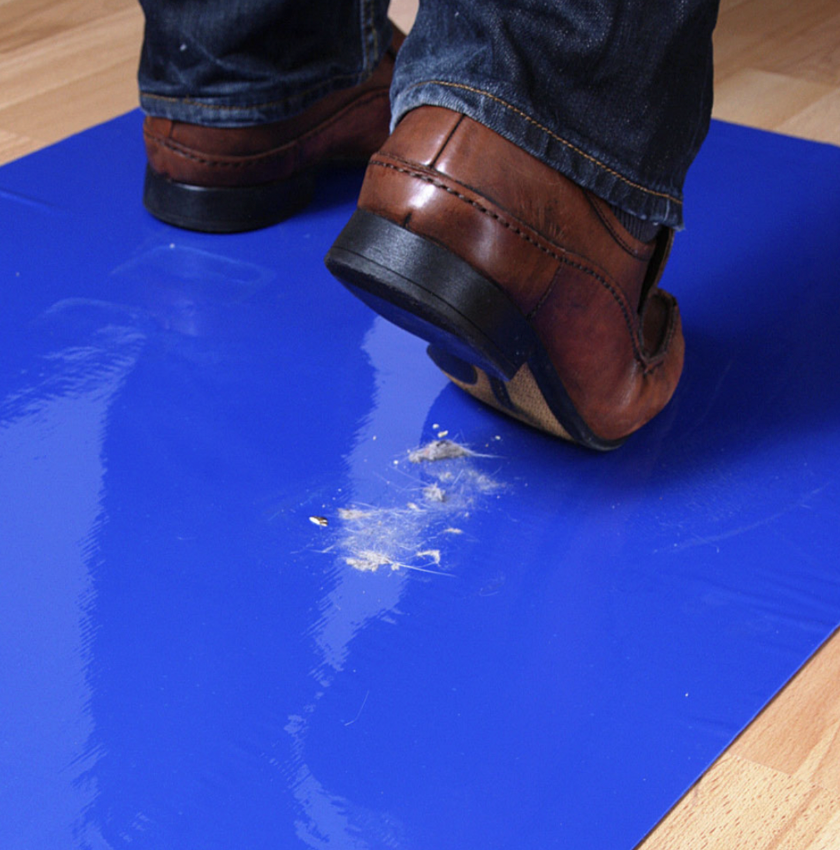
The threat of particulate contamination is an invisible but costly reality for countless industries. From a pharmaceutical manufacturing facility where a single speck of dust can compromise an entire batch to a construction site where tracking mud indoors leads to expensive cleanup and delays, managing floor debris is crucial. The solution must be simple, highly effective, and immediate.
Enter the sticky mat—a deceptively simple tool that forms the frontline of defense against footborne and wheelborne contaminants. Often referred to interchangeably as adhesive sticky mats or tacky mats, these specialized floor protection systems are essential for any environment where maintaining a pristine surface or controlling the spread of dirt and germs is paramount.
This comprehensive guide delves into the mechanics, applications, and optimization of these critical contamination control solutions, ensuring you select and use the perfect product to keep your facility spotless and compliant.
What Defines an Effective Sticky Mat?
A sticky mat is a multi-layered floor covering composed of individual sheets of high-grade film, usually polyethylene, each coated with a pressure-sensitive, non-transferring adhesive. The key to their efficiency lies in their ingenious, peel-off design.
The Mechanism of Multi-Layered Protection
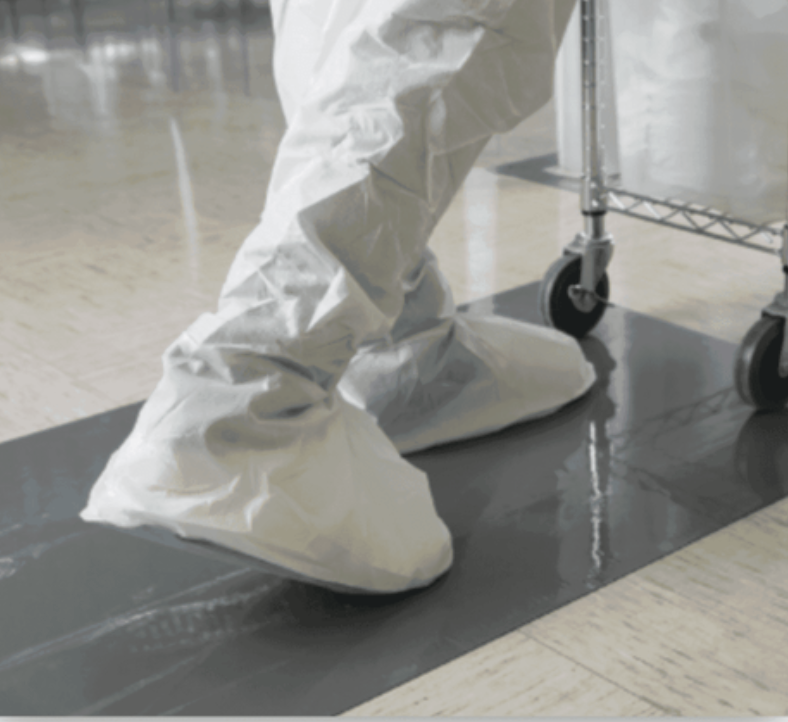
Unlike standard floor mats or carpets that only absorb moisture or scrape off large debris, an adhesive sticky mat utilizes controlled adhesion to capture and hold microscopic particles, including dust, dirt, bacteria, and lint, from the bottom of shoes, booties, and cart wheels.
-
High-Tack Surface: The top layer features a precise level of adhesive stickiness engineered to pull contaminants off any surface that steps or rolls across it.
-
Multi-Layered Stack: Mats come stacked with typically 30 or 60 individually numbered layers. This numbering system is critical for maintenance and compliance, clearly indicating when a layer is used up and ready for disposal.
-
Effortless Disposal: When the top layer becomes saturated with debris, it is simply peeled away and discarded, instantly revealing a fresh, clean, and fully adhesive surface underneath. This process eliminates the need for messy cleaning, mopping, or vacuuming, saving valuable time and resources.
This disposable, high-efficiency design is what distinguishes a professional-grade tacky mat from other less effective floor protection options.
Indispensable Applications: Where
Contamination Control Matters Most
The environments that benefit from high-quality sticky mats are defined by their strict need for cleanliness and contamination control.
1. Certified Cleanrooms and Laboratories
In environments governed by ISO 14644-1 standards, such as those in the electronics, aerospace, and pharmaceutical industries, even minute particles can cause catastrophic product failure or safety issues.
-
Electronics Manufacturing: Microprocessors and sensitive components require dust-free environments. Cleanroom mats placed at transition points prevent workers from tracking in particles that could short-circuit a delicate chip.
-
Pharmaceutical and Biotech: Maintaining sterility is non-negotiable. Adhesive sticky mats are mandatory at airlocks and entrances to sterile zones to reduce bioburden and meet stringent regulatory requirements.
-
Hospitals and Healthcare: Operating rooms, isolation areas, and sterile supply storage benefit immensely from using sticky mats to prevent the spread of pathogens and maintain a sanitary environment for patients and staff.
2. Commercial and Residential Construction
Construction sites, particularly during renovation or when working near sensitive areas, are notorious for generating dust, sawdust, paint chips, and mud.
-
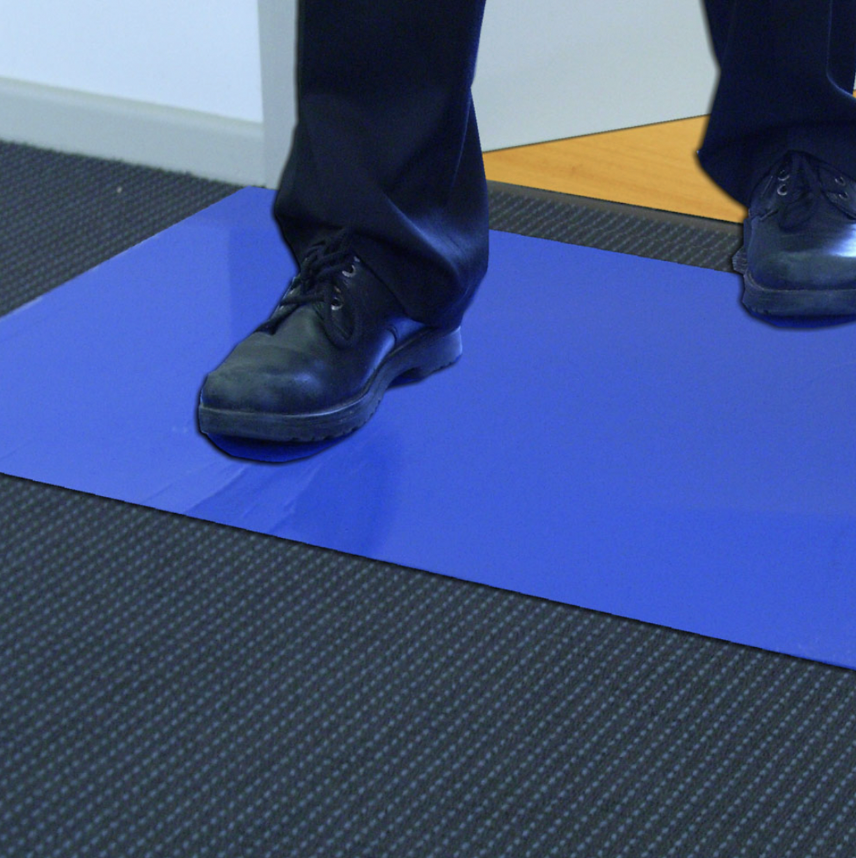
Construction Site Entryways: Placing large, robust tacky mats at the entry and exit points to the active work area ensures that workers moving in and out leave the majority of tracked-in debris behind. This protects finished surfaces, carpeting, and the overall air quality of occupied spaces.
-
Data Centers and Server Rooms: These facilities require extreme dust control to protect sensitive electronic equipment from overheating and failure. A dust control mat is a simple, non-intrusive way to safeguard millions of dollars in technology.
3. General Manufacturing and Commercial Kitchens
Any facility where cleanliness impacts product quality or employee safety can utilize these peel-off mats. From food processing plants, where hygiene is paramount, to automotive assembly areas, where paint finishing requires a particle-free zone, sticky mats are a low-cost, high-impact investment.
The Importance of a Secure Backing
For a sticky mat to function correctly, its base must be completely immobilized. The base of the mat stack is backed with a powerful, non-skid adhesive that adheres securely to the floor or a permanent frame. This prevents the mat from slipping or bunching up—a critical safety consideration, particularly in high-traffic or hurried environments.
Installation and Maintenance: Best Practices for Longevity
To ensure your contamination control system operates at peak efficiency and remains indexed by workers, follow these simple installation and maintenance guidelines.
1. Proper Installation
-
Surface Preparation: The floor surface must be completely dry, clean, and free of grease or wax before installation. Any remaining debris can compromise the adhesive backing.
-
Firm Application: Once the backing paper is removed, firmly press the mat onto the floor, smoothing out any air bubbles from the center outward to ensure total adhesion between the floor and the first layer.
-
The Tab System: Orient the mat so the numbered, easy-to-peel tab is accessible. This tab allows for quick, non-destructive layer removal.
2. Layer Removal and Management
The most important maintenance step is timely layer replacement. A saturated layer stops being an effective dust control mat and can begin to transfer contaminants back onto foot traffic.
-
Monitor Visual Saturation: Once the top sheet appears significantly dirty or contaminated across the walking path, it’s time for removal.
-
Follow the Numbering: The clear numbering on the peel-off tabs (e.g., 30, 29, 28...) provides an easy-to-follow audit trail, simplifying inventory tracking and compliance checks. Simply lift the corner tab and peel the used sheet off completely, exposing the fresh, adhesive sticky mat underneath.

Take Control of Your Facility's Cleanliness
Today
Do not compromise the integrity of your workspace with subpar floor protection. Whether you are managing a high-grade ISO 5 cleanroom or maintaining a temporary dust barrier on a demanding remodeling project, the multi-layered defense provided by an expertly manufactured tacky mat is the gold standard.
Ensure compliance, protect sensitive products, and significantly reduce the time and cost associated with unwanted particulate matter.
Choose the right tack level and size for your application and start your enhanced contamination control program immediately.
Order Now at spycor.com for high-quality, professional-grade sticky mats and comprehensive surface protection solutions.
Frequently Asked Questions (FAQ)
How long does a sticky mat last before I need to replace the entire stack?
The lifespan of a sticky mat stack (usually 30 or 60 layers) depends entirely on traffic volume and the level of contamination. In a high-traffic construction entrance, you might peel a layer daily or more often. In a low-traffic cleanroom, a layer may last a week. You should peel the top layer as soon as it appears saturated, regardless of time. A typical 30-layer stack could last anywhere from one month to several months.
Are all sticky mats the same tackiness level?
No. Adhesive sticky mats are generally categorized as Low, Medium, or High Tack. Low Tack is used for very light foot traffic and sensitive footwear, reducing the risk of lifting the mat or pulling off shoe covers. Medium Tack is the most common for general use. High Tack is reserved for construction, heavily contaminated zones, or wheeled traffic to ensure maximum dirt and dust removal.
Can a tacky mat be used outdoors or on wet surfaces?
Tacky mats are designed for use in indoor, dry, and temperature-controlled environments. The adhesive backing requires a clean, dry surface to adhere properly, and exposure to moisture can significantly reduce the effectiveness of the adhesive layers. For outdoor or extremely wet areas, specialized heavy-duty mud-scrubbers or water-absorbent mats should be used before traffic steps onto the indoor sticky mat.
Can I clean the top layer to extend its life?
No. The core function of a peel-off mat is its disposable design. Attempting to clean the adhesive layer will damage the surface, neutralize the tack, and may leave behind cleaning residue. Once the layer is dirty, the best practice for effective contamination control is to immediately peel and discard it to expose a fresh layer.
How do sticky mats compare to reusable, washable mats?
While washable mats are reusable, they require significant labor and chemicals to clean, dry, and re-apply adhesive (if applicable). They also run the risk of not being completely clean after washing. Sticky mats offer a superior level of contamination control because they provide a guaranteed 100% clean surface with zero residue or particles instantly with every peel. For environments prioritizing particle reduction, the disposable, multi-layered mat is the preferred choice.